Cabin Checks Before You Leave the Driveway
The cabin is a working room. Water, layers, paper backup, and the bag you will open at a rest area belong in place before the first delay, not on a motel lot after the morning has already slipped. A calm highway day usually starts in the driveway, where you can still think with both hands free.
Why home is the right place to finish
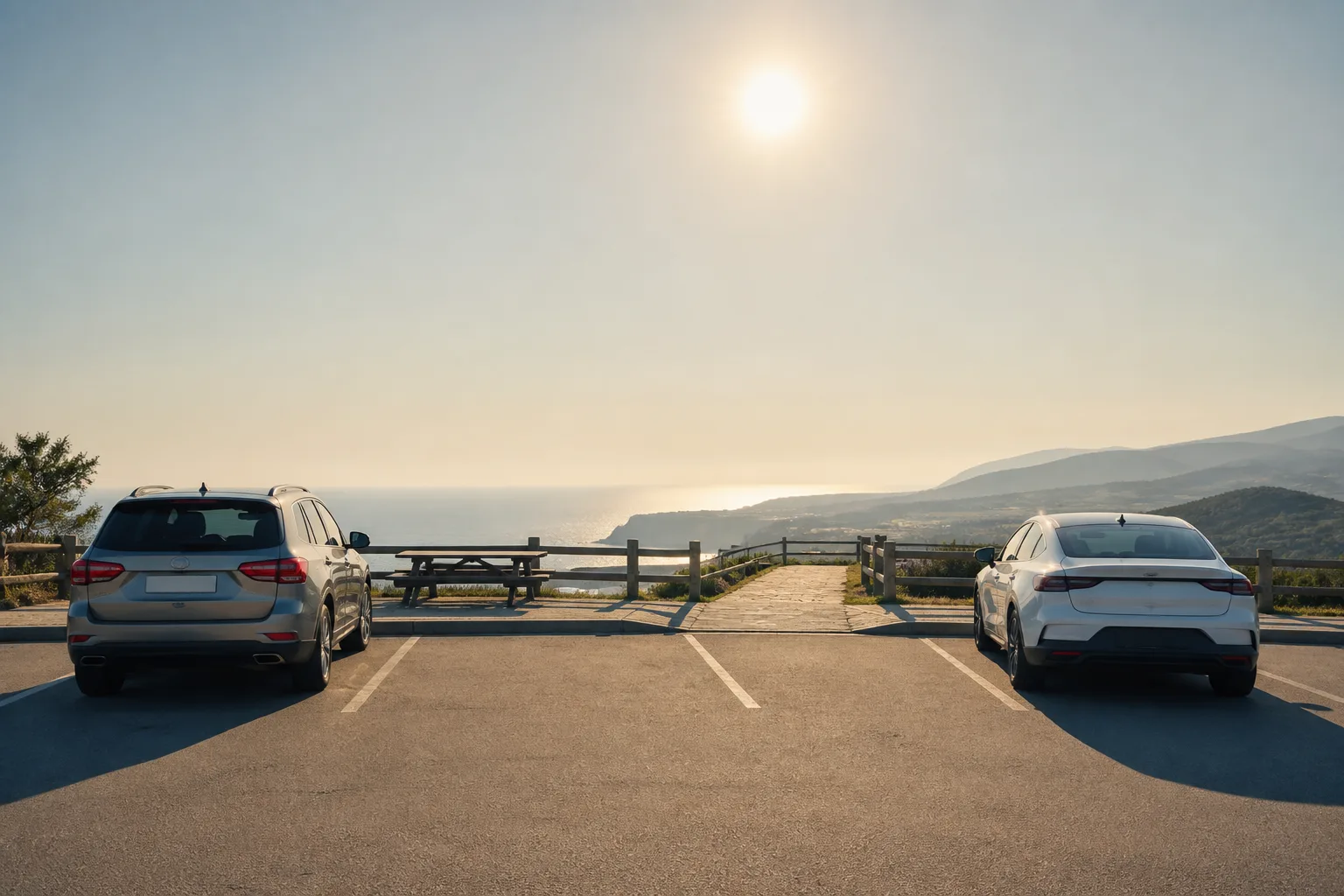
People often treat packing as something that can finish “on the way.” That habit creates the first delay of the day. A bottle that should have been within reach ends up in the trunk. A layer needed for a cool overlook is buried under bags. A paper map backup sits in a house drawer. None of these mistakes are dramatic alone. Together they turn a rest area into a scavenger hunt and a short pause into a long one.
At chalcostib, cabin readiness is one of the first things we brief. The goal is not to pack more. The goal is to place what you will need without leaving the seat while the car is moving, and without opening the trunk in a busy lot unless you truly must. Regular travelers do this without talking about it. First long days go better when the same order is written down.
This note is about placement and sequence. It is not medical advice. If you have questions about fatigue, sleep, medication, or physical strain, speak with a clinician. Our work stops at the practical layout of the cabin and the pauses that follow.
What belongs within reach
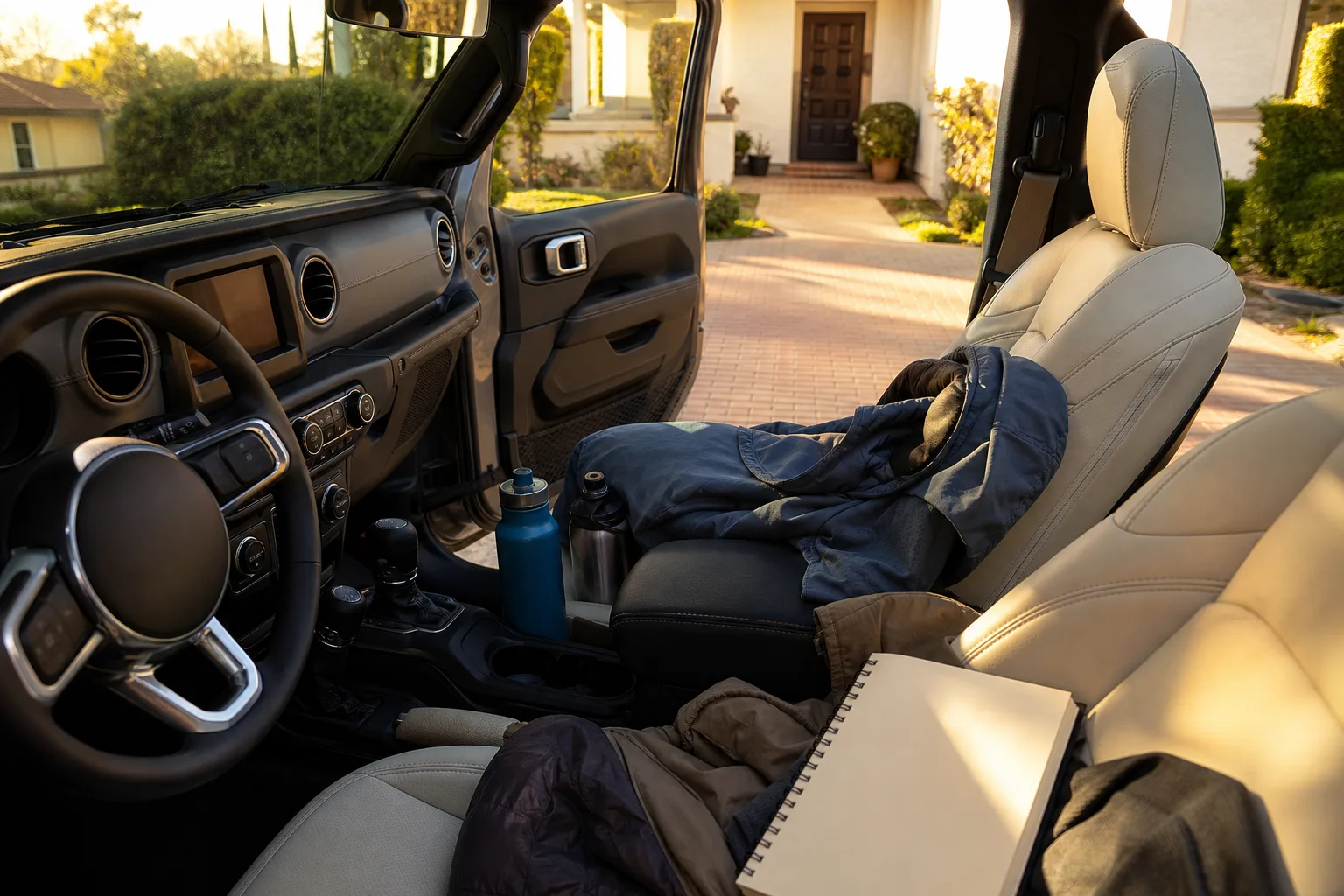
Think in zones. The driver zone should stay clear of hunting. The passenger zone holds what a second pair of hands can pass safely when the car is stopped. The rest-area bag should leave the cabin without a full unload. Overnight bags can wait until lodging. Mixing those zones is how a ten-minute pause becomes a half-hour rearrange.
- Water placed where a passenger can reach it without climbing into the back.
- Layers for cool air and shade, folded where they can be grabbed at a short stop.
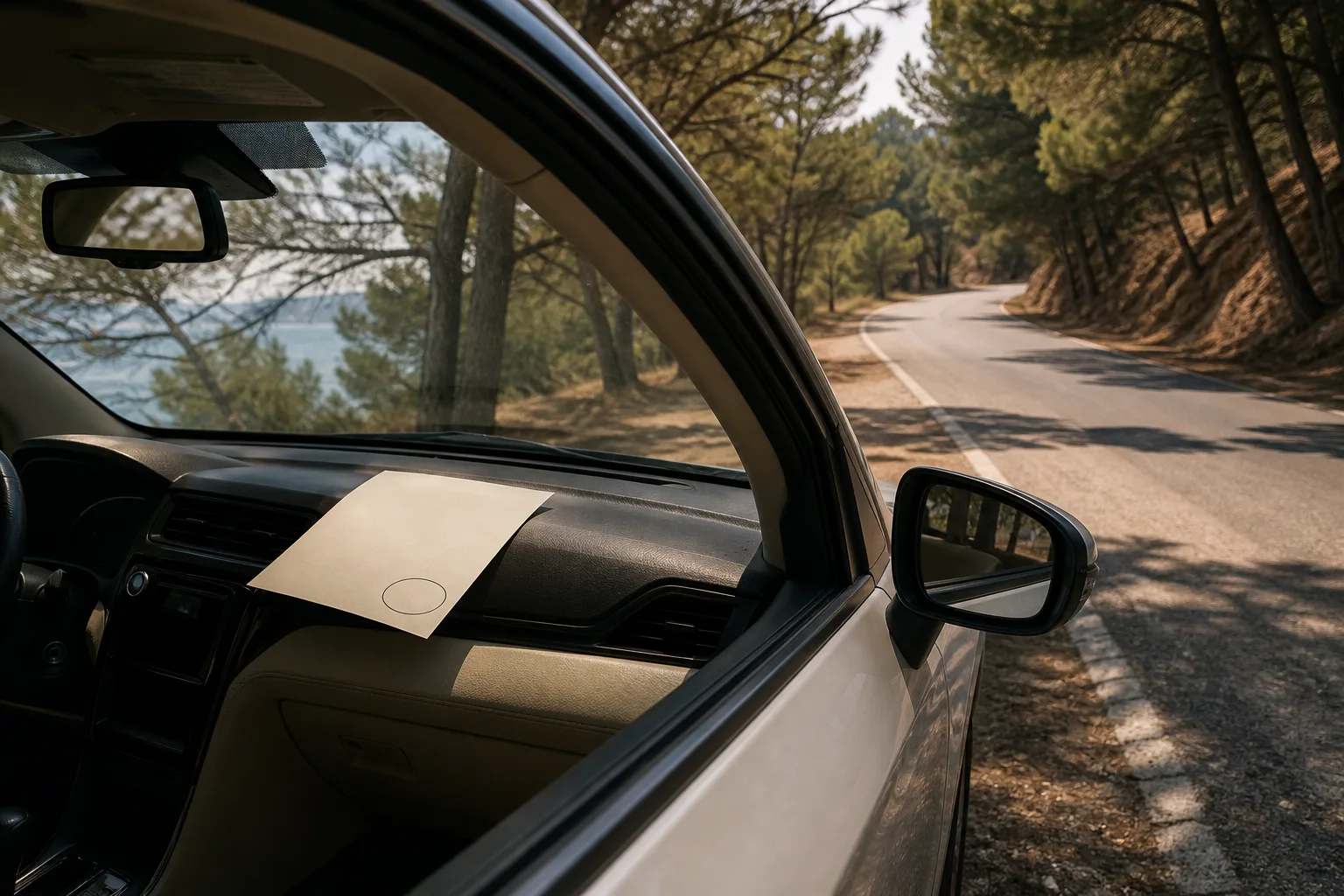
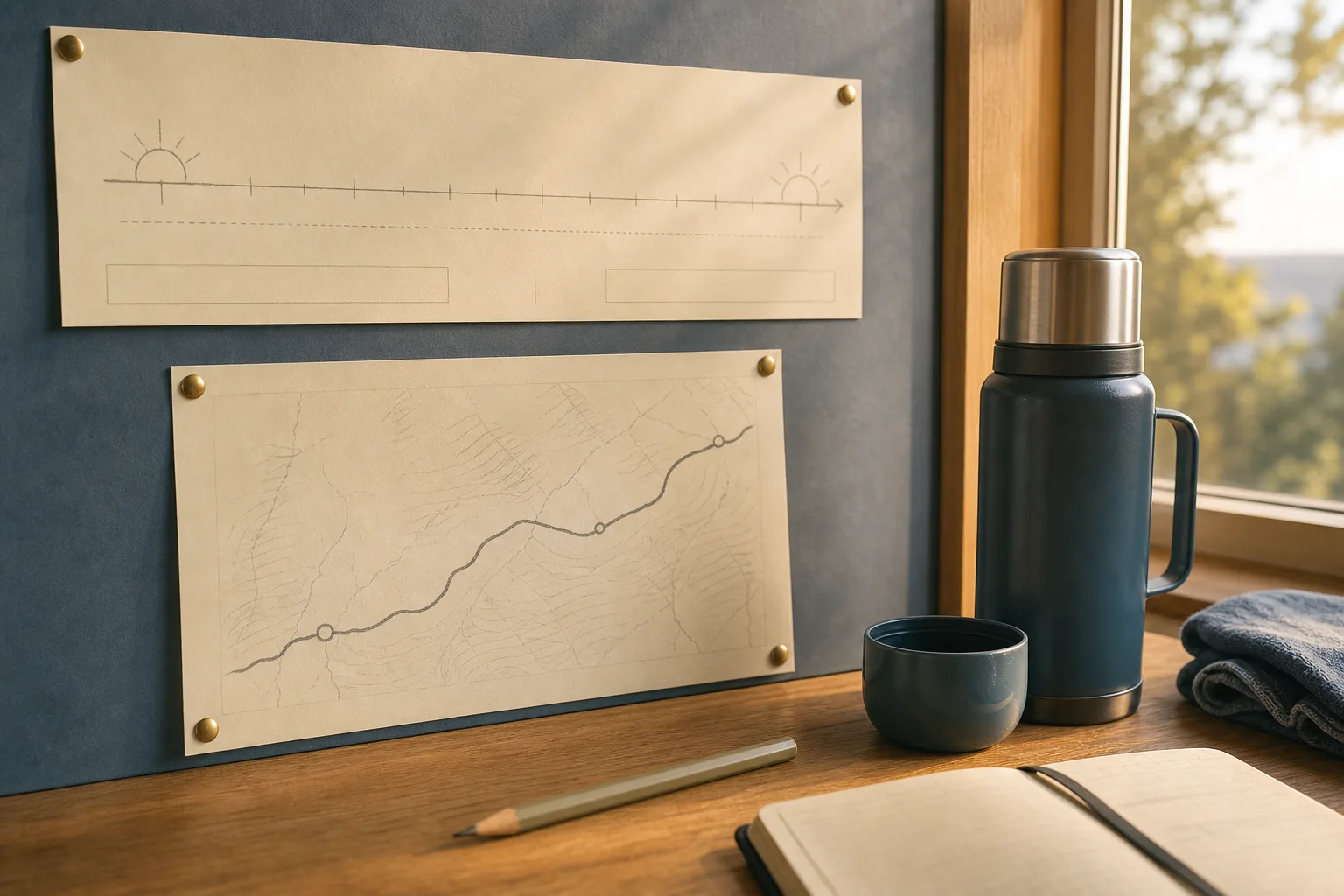
- Paper backup for the route, even if you also use a digital map.
- A small rest-area bag with only what that pause needs: wipes, snacks you will actually use, and any child items that prevent a trunk search.
- Trash bag and a place for empty bottles so the cabin does not fill as the day goes on.
If you cannot find it without leaving the seat, it is not ready for the road. Fix it at home while the driveway is still quiet.
A driveway sequence that holds
Do the cabin check in the same order every time. Familiar order is faster than a clever new system invented on the morning you leave. Walk the sequence before anyone is hungry or late.
- Load overnight bags first and close that chapter. They should not block the rest-area bag.
- Place water, layers, and paper backup in the cabin zones you already chose.
- Pack the rest-area bag last, then set it where a passenger can lift it out without moving other luggage.
- Sit in the driver seat and confirm you can see mirrors, controls, and the day plan without digging.
- Do one final quiet pass: fuel status, wiper fluid if needed, and a spoken confirmation that the buffer hour is still on the paper plan.
Common cabin mistakes on first long days
The first mistake is packing for imaginary weather instead of the day you have. Bring layers you will use, not a museum of maybes. The second mistake is putting “just in case” items on top of daily-use items. The third is leaving the rest-area bag incomplete because someone assumes shops along the road will solve it. Sometimes they will. Sometimes the stop is closed, crowded, or already out of what you wanted. The cabin should not depend on perfect stops.
Shared driving adds another layer. If two people will trade seats, both need to know where water and the rest-area bag live. A cabin that only one person can navigate will slow every pause. Say the layout out loud once before you leave. It takes less time than explaining it at a noisy apron.
Traveling with children changes reach and reset needs, not the core rule. Place what stops require where it can be used without a full rearrange. Mention ages in a consultation only if they change how the cabin moves. The briefing still begins with the same driveway sequence.
Connect the cabin to the rest of the day
Cabin readiness is not separate from segment planning. A well-set cabin makes short pauses actually short. That protects the buffer hour Mara writes about in her field notes. It also supports quiet overnight arrivals: when bags have clear jobs, you are less likely to unpack the whole car in a corridor after dark.
Conditions still change. A closed restroom or a full lot can rewrite the middle of the day. Confirm local details close to travel. The cabin check cannot freeze a rest area in place. It can keep you from adding avoidable delay when the road already asks for patience.
If you want a personal cabin briefing before a first long daylight run, contact chalcostib. Tell us who is in the car, what you refuse to hunt for on the road, and which pauses already went wrong once. We will help you set the driveway order so the day can keep its thread.