Rest Area and Overlook Manners That Keep Traffic Moving
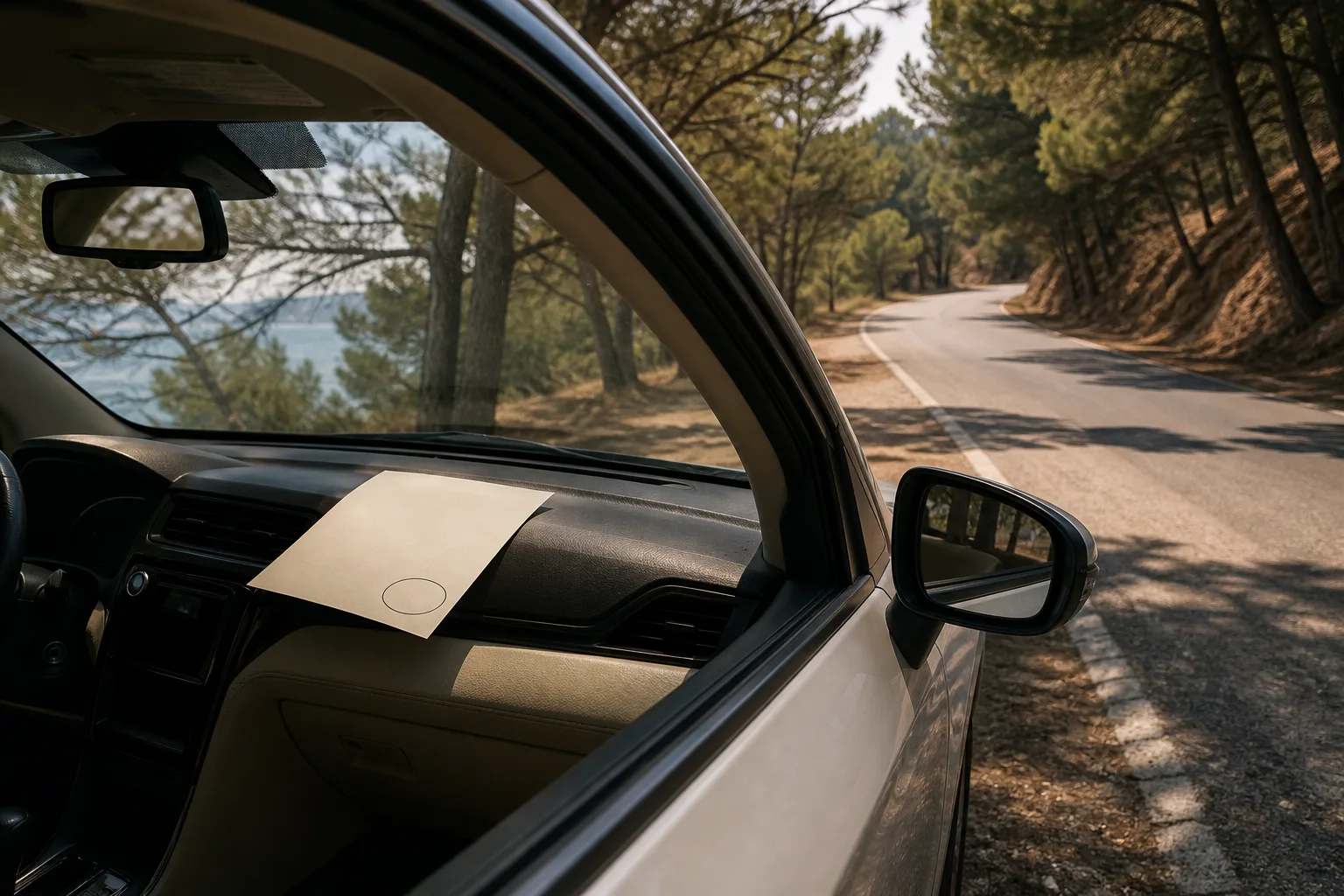
A pause has a job. A rest area resets the cabin so the next segment stays usable. An overlook is a short visit to a view, not a second living room. Mixing those jobs is how small lots stop working for everyone behind you.
Two stops, two different clocks
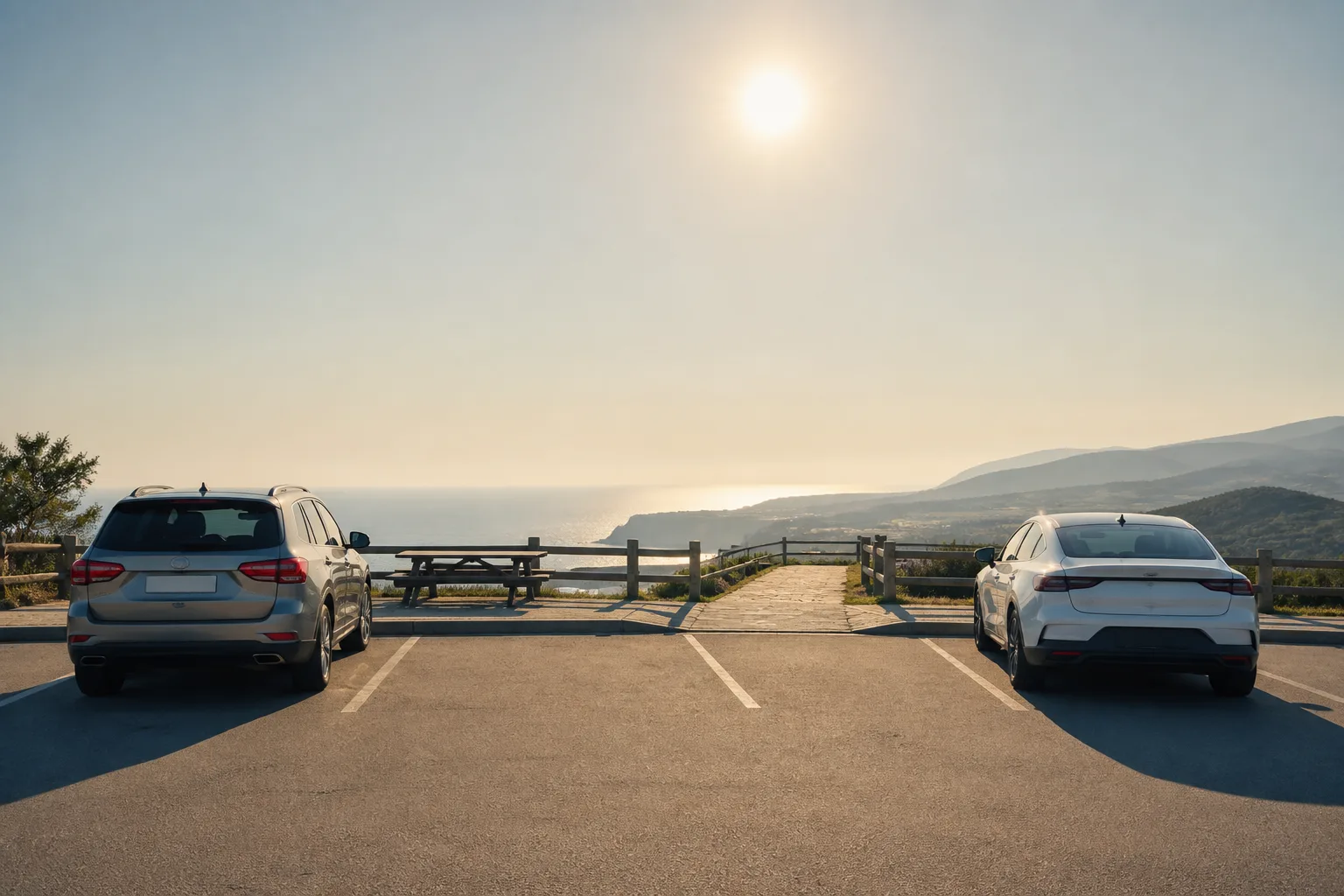
Highway days often put a rest area and an overlook on the same stretch of map. They look similar from the road: a rail, a few bays, a chance to leave the seat. They are not the same stop. A rest area is built for turnover and a real reset. An overlook is built for a brief look and a clean exit. When travelers treat both as open-ended breaks, the next car waits, the bay fills, and the day loses the buffer it still needed.
At chalcostib, we brief stop manners as part of overnight logistics and lot flow. The point is not etiquette for its own sake. The point is keeping shared pauses usable. Posted signs come first. Unwritten courtesy comes next: leave walking room, release the rail, and do not turn a short pull-off into a picnic that blocks the apron.
What belongs at a rest area
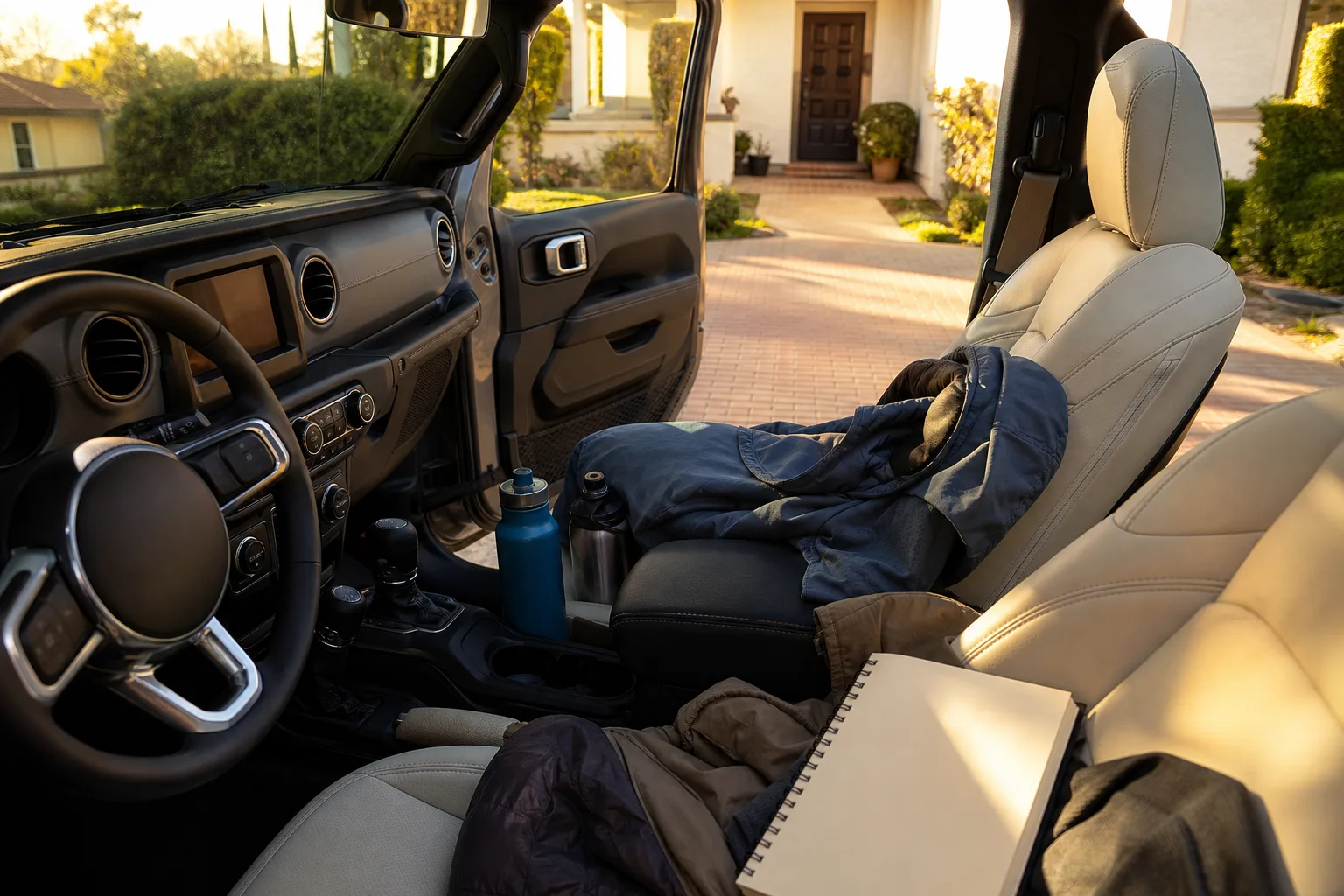
Use a rest area to reset, not to invent a long social stop. Park in a bay that leaves space for others to pass and walk. Take what you need from the rest-area bag. Stretch, use the facilities if they are open, and leave before the lot becomes a second camp. If the restrooms are closed or the lot is full, rewrite the pause instead of forcing a stay that helps no one.
- Choose a bay that keeps walking paths clear.
- Keep the pause long enough to reset, short enough that others can use the same place.
- Do not unload overnight bags here unless you truly must.
- Confirm on-site conditions; layouts and access can change between trips.
Take the view. Leave the rail. The next traveler came for the same pause you needed.
What belongs at an overlook
An overlook is a short job with a clear exit. Park, step away from the car, look, and release the space. Holding a bay while you wait for “one more photograph” or a long conversation is how a small pull-off stops working. If the rail is wet, closed, or crowded, skip it. A view that costs the reserved hour is not a bargain.
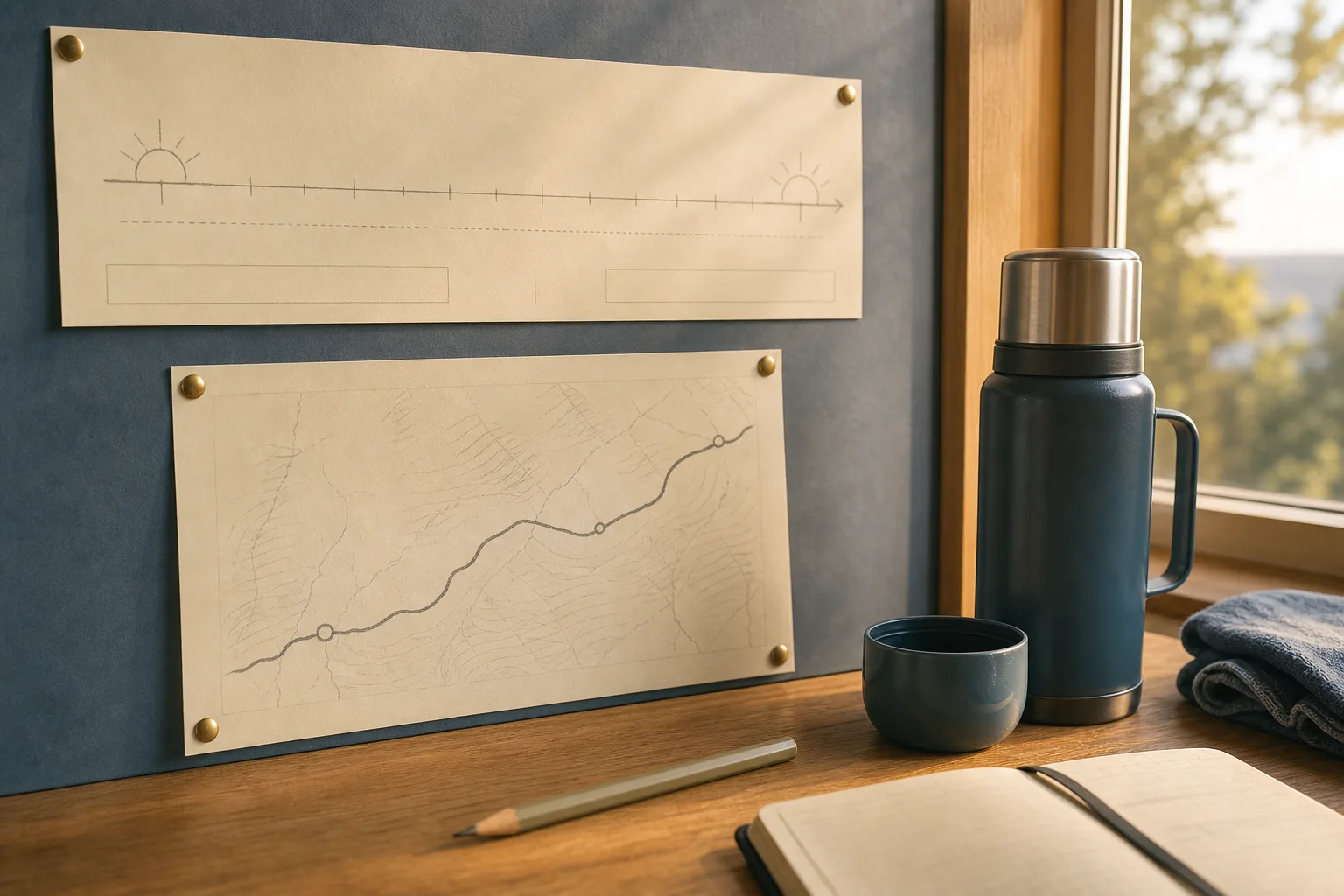
- Arrive with a time limit already decided on the paper plan.
- Leave enough room for another car to enter and exit without a tight squeeze.
- Step to the rail, take the look, and return to the cabin without blocking the path.
- Leave while you can still merge calmly; do not wait until the lot is angry.
When the two get mixed up
The common failure is eating a slow meal in a view bay, or treating a rest area like a scenic lounge. Both habits create delay for people who only needed a short reset before dark. Another failure is assuming yesterday’s empty lot will be empty again. Conditions change. Weather, weekends, and closed facilities rewrite the middle of a day. Keep the buffer Mara describes, and drop the optional overlook first when the schedule slips.
Overnight lodging is a third stop family, and it does not belong in this mix either. A rest area is not a place to sort every bag for the night. An overlook is not a place to decide where you will sleep. When those jobs spill into the wrong pause, the lot fills with half-finished tasks and the next traveler has nowhere clean to stop. Keep each stop’s job narrow, and the evening routine stays quieter.
If a rest area feels chaotic, leave and take a shorter reset at a fuel pause rather than escalating the stay. If an overlook feels unsafe or closed, skip it without treating the skip as a personal failure. The route still holds when you protect the sequence instead of forcing every planned rail.
This note is practical, not medical. Questions about fatigue belong with a clinician. Our part is stop behavior that keeps traffic moving and nights quieter. If you want a briefing that fits your cabin and your daylight window, contact chalcostib and tell us which pauses already went wrong once.