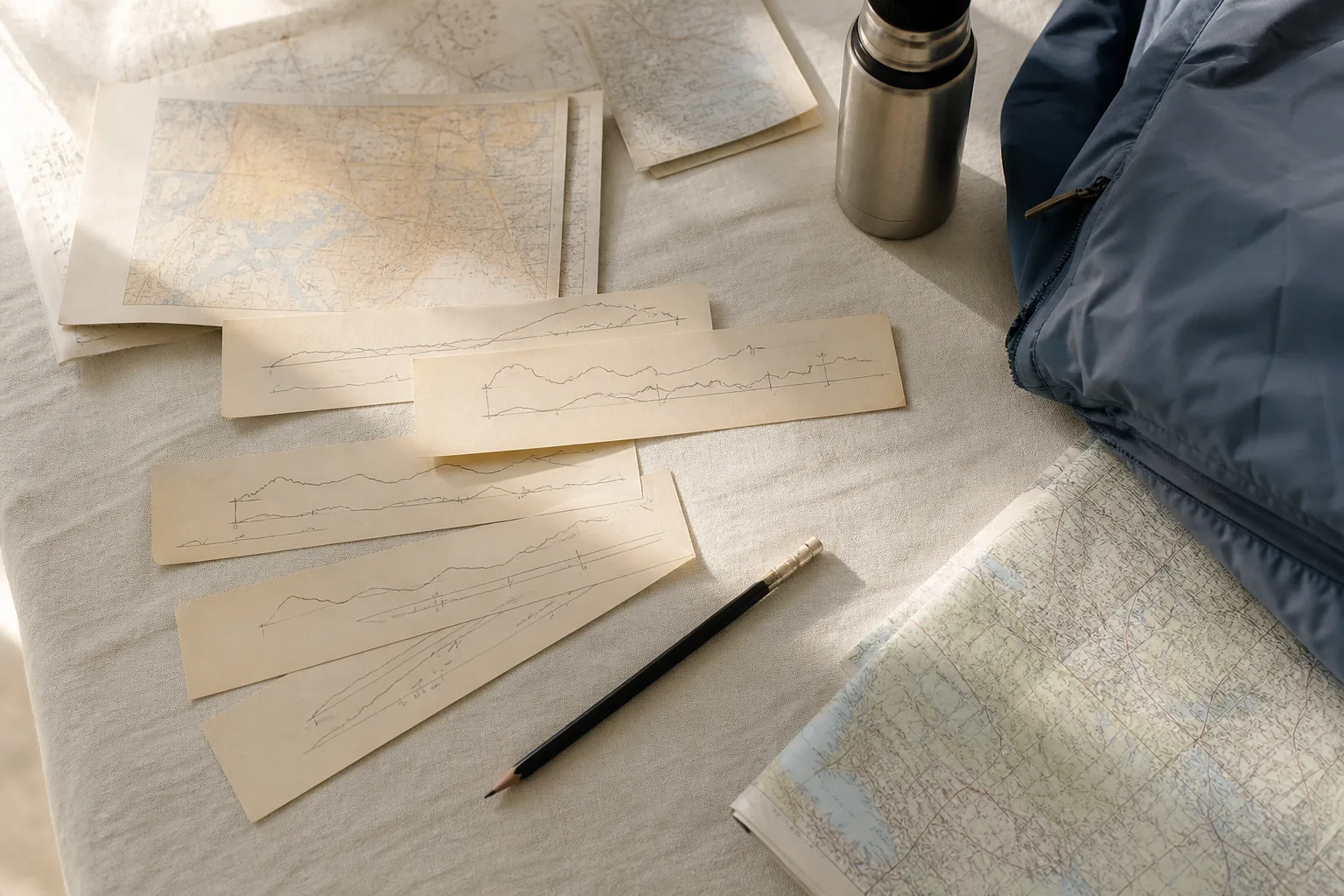
Flat lay of highway route cards on a linen desk, pencil-marked timeline strips, a small thermos, and a folded soft jacket at the edge, soft daylight, 1600x900

Articles

Field notes for the parts of a highway day people rarely explain out loud.

These pieces turn cabin checks, daylight segments, rest-area manners, and overnight exits into reading you can use before a consultation. Each article is written by the same specialists who brief travelers at chalcostib.

Recent field notes

Four practical pieces on keeping a route intact when stops fill, rails close, or the last hour starts to slip.

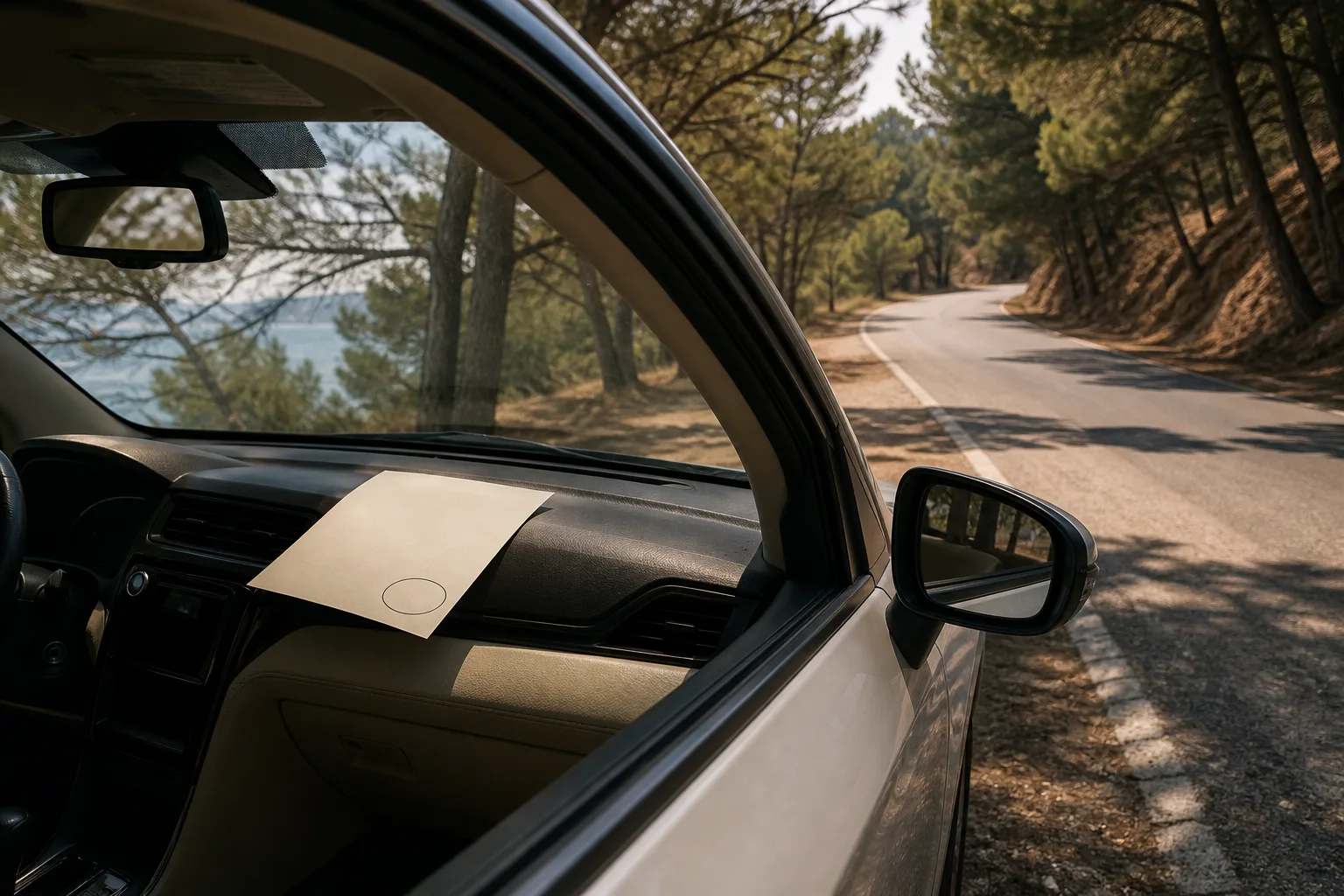
Car parked in a shaded roadside bay with a paper day plan on the dash, unused buffer hour circled in pencil, open window and quiet empty stretch of asphalt ahead, 1200x800

How to Keep a Buffer You Do Not Spend

5 min read Mara Ellison

A reserved hour is the part of a day plan that still works when a rest area is full or an overlook rail is closed. This note explains how to protect that buffer without treating every clear stretch as an invitation to drive farther.

Read Article
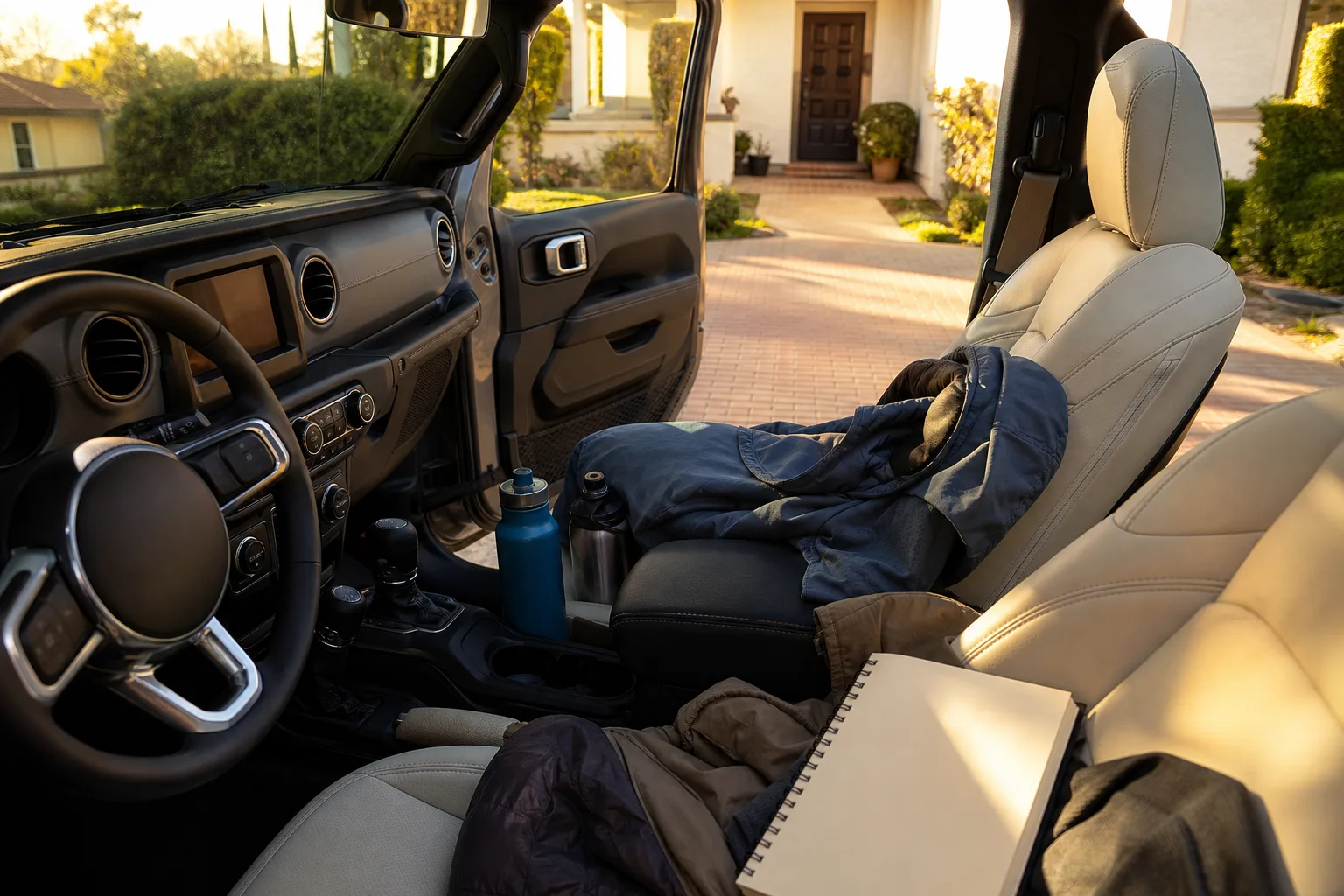
Open car cabin in a residential driveway, water bottles and layered jackets placed within reach, paper checklist on the passenger seat, soft morning light on the dashboard, 1200x800

Cabin Checks Before You Leave the Driveway

6 min read Helena Ortiz

Water, layers, and the bag you will open at a rest area belong in the cabin before the first delay. Helena walks through a home setup that keeps the driver from hunting while the car is moving.

Read Article
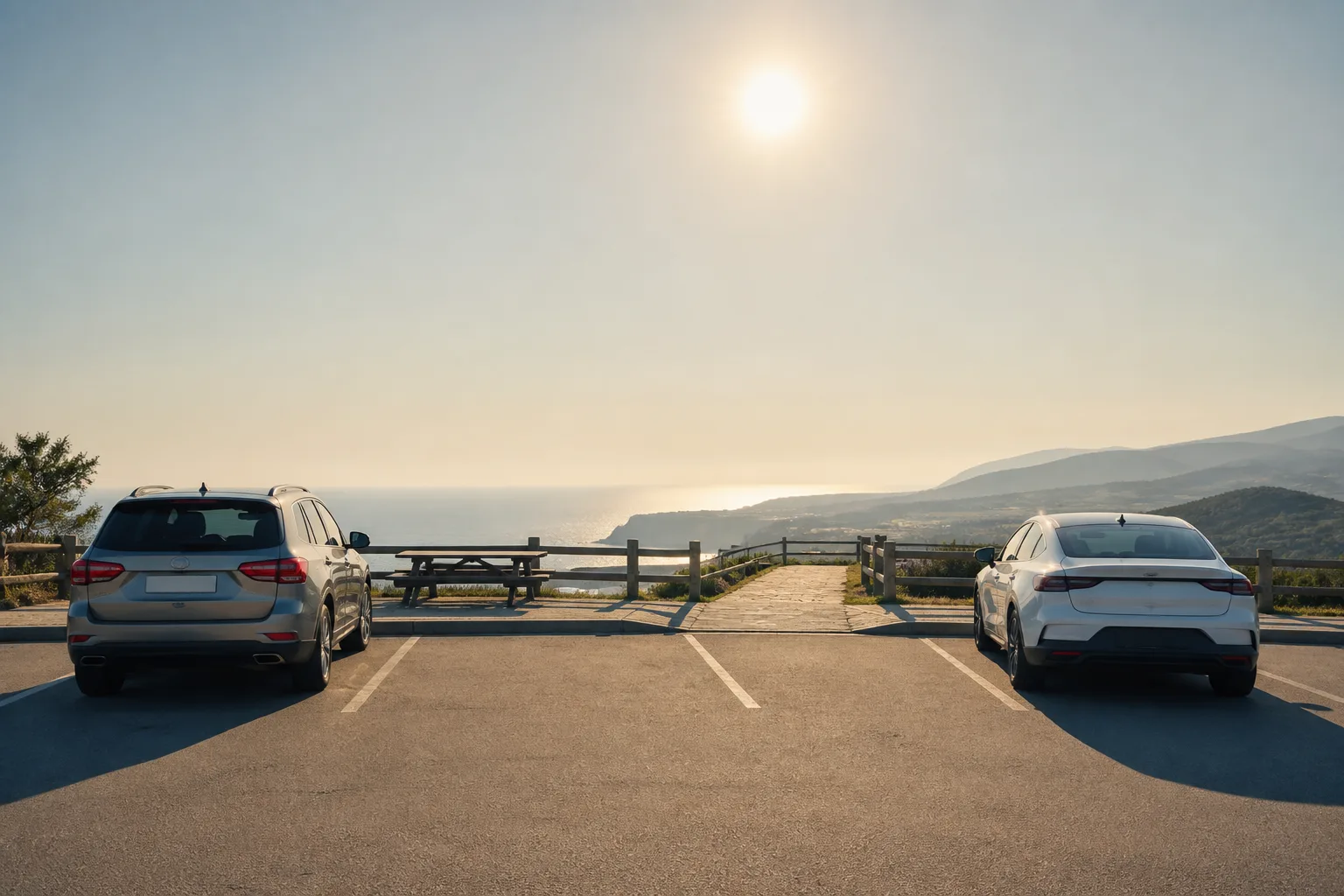
Shared rest-area parking bay beside a short overlook path, two cars spaced with walking room between them, low rail and empty picnic table in soft midday light, 1200x800

Rest Area and Overlook Manners That Keep Traffic Moving

4 min read Julian Park

A pause has a job. This article separates rest-area resets from overlook visits and shows how to leave a bay before the next traveler is forced to wait at the rail.

Read Article
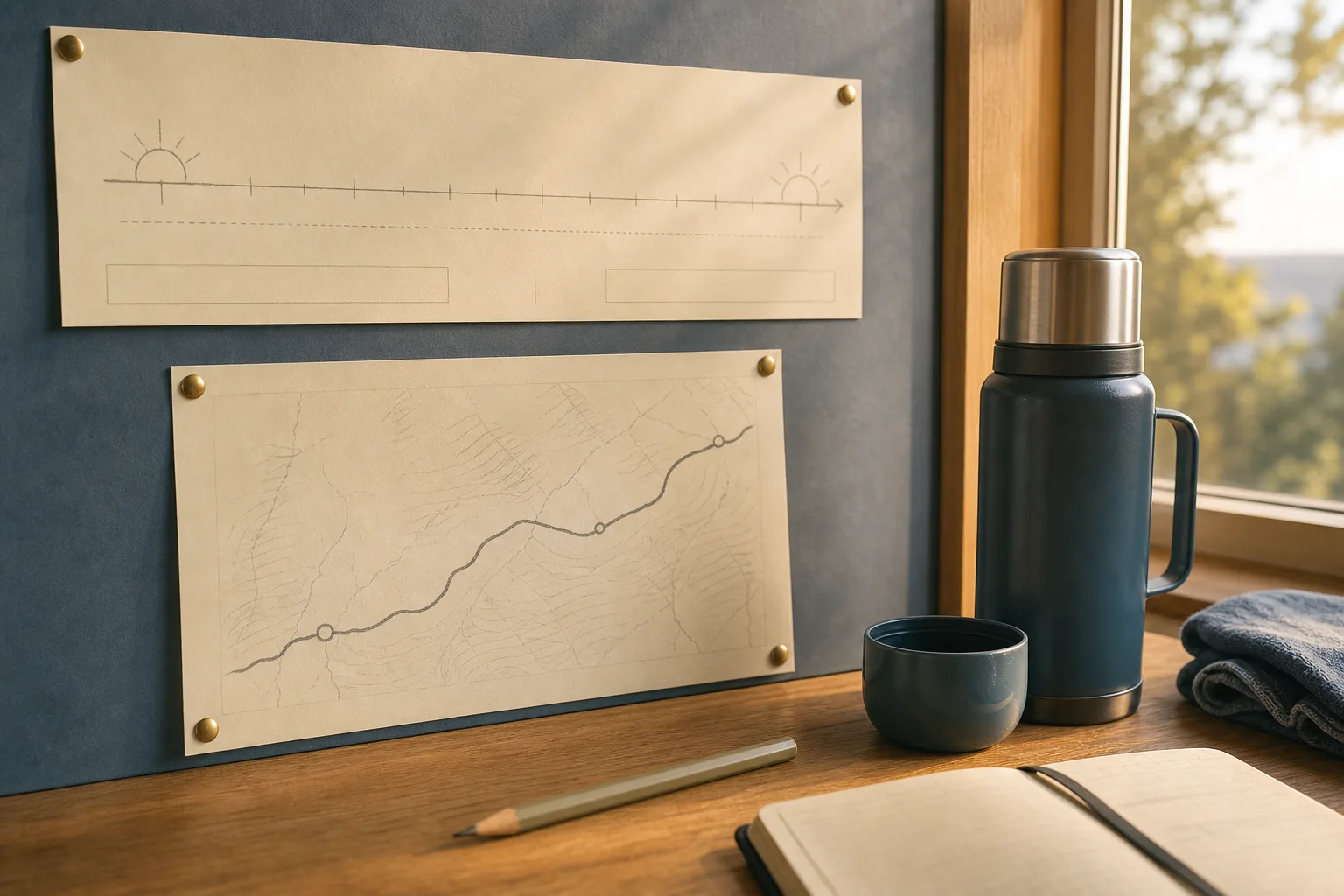
Paper timeline for a first daylight highway run pinned beside a simple route sketch, morning and late-afternoon segments marked, thermos and pencil nearby on a wooden table, 1200x800

Planning Your First Long Daylight Drive

5 min read Mara Ellison

The first long day should end with a quiet arrival, not a race against the last light. Mara explains how to choose a route whose final pause still leaves room to check in without circling a dark lot.

Read Article

Request a Consultation

If a note helped and you want the same order fitted to your cabin, your daylight window, and the stops you actually use, write to us. We will answer with a briefing, not a generic checklist.

Contact Us

About the project

Learn how chalcostib started, how we verify stop notes, and how a consultation moves from first request to a day plan you can keep when weather or a closed rail forces a rewrite.

Learn More

How to read this site

chalcostib provides knowledge about road travel and consultations on how a highway day can be organized. The materials on these pages are offered for information and learning. They describe common patterns at rest areas, overlooks, roadside lodging, and fuel pauses. They are not a substitute for local rules, posted signs, or the judgment you use while driving.

Questions about fatigue, sleep, medication, or physical strain belong with a qualified clinician. A travel note cannot tell you whether you should drive on a given day. If you are unsure about your condition, speak with a professional who is licensed to advise on it. Do not treat anything on this site as medical guidance.

You remain responsible for the decisions you make on the road: when to leave, where to pause, whether to skip an overlook, and when to stop for the night. Conditions change between trips. Opening hours, access rules, lot layouts, weather, and on-site requirements can shift without notice. Confirm details directly with the place you intend to use, close to the day you travel, even if you have stopped there before.

chalcostib is not liable for delays, closed rails, full lots, or outcomes that follow from a plan you adapt, ignore, or only partly use. We write so that a first long day has a sequence. We cannot drive it for you, and we cannot freeze a rest area in the state described in a note.