How to Keep a Buffer You Do Not Spend
A reserved hour is not leftover time. It is the part of a highway day that still works when a rest area is full, an overlook rail is closed, or a stretch runs longer than the map suggested. Protecting that buffer is a decision you make before the driveway, not after the road starts to feel easy.
Why the unused hour matters
Most first long days fail in the last stretch, not the first. The morning feels orderly. The middle of the day looks clear. Then a pause takes longer than planned, a pull-off is crowded, or weather slows the cabin, and the reserved hour disappears because it was never treated as reserved. People call that bad luck. It is usually a planning habit: treating spare time as something to spend the moment the road feels open.
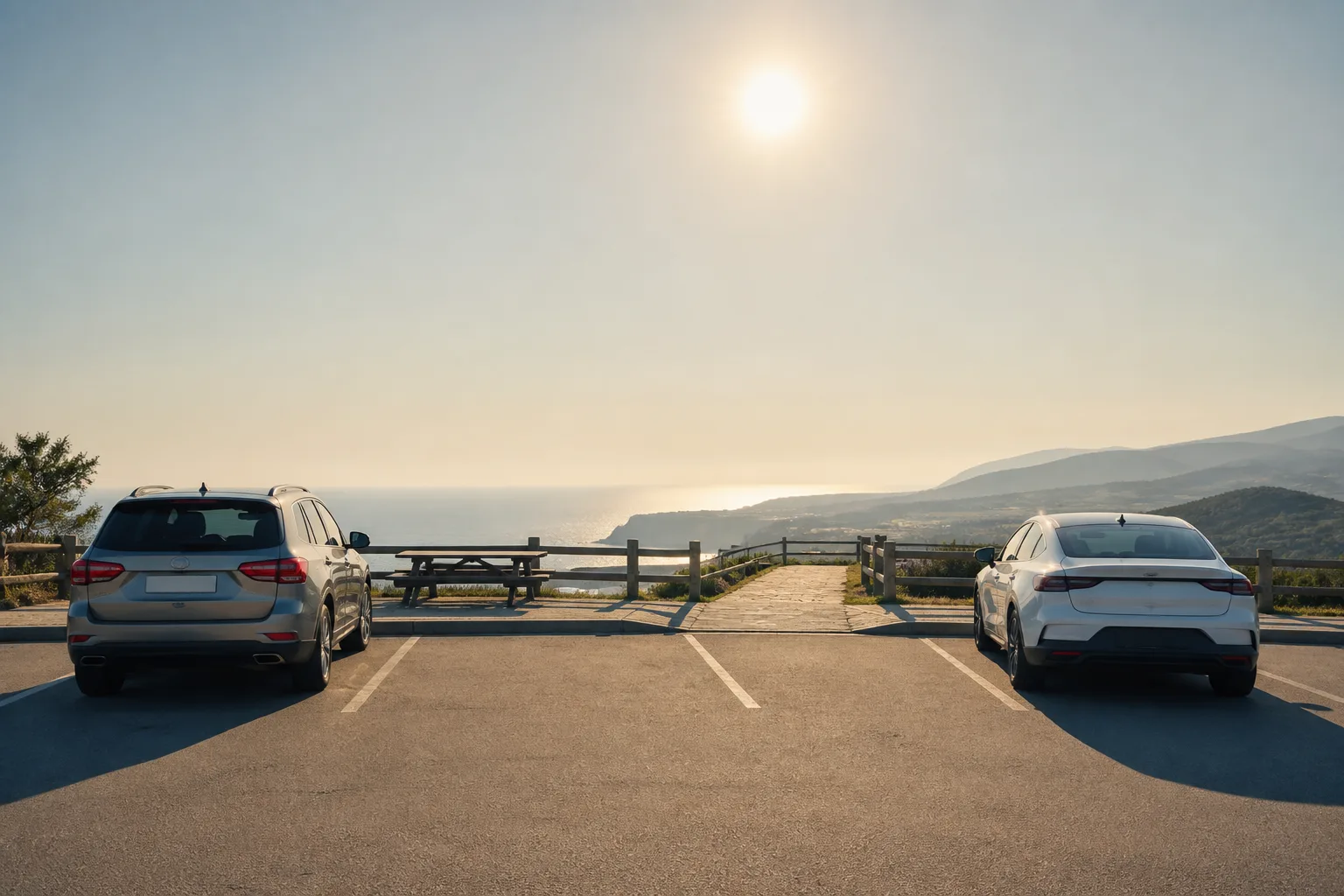
At chalcostib, we write buffer time into every daylight briefing for a simple reason. The stop families along a highway day do not stay fixed. A rest area that worked yesterday can fill early. An overlook that looked open on a map can be closed without a posted notice. A fuel pause can become a slow line. The buffer is what keeps the overnight search from happening after dark.
This is not about driving less for its own sake. It is about keeping the thread of the day. When the buffer is intact, you can skip a view, leave a full lot, or shorten a final segment without turning the evening into a scramble.
What a real buffer is not
A buffer is not an optimistic estimate rounded up by a few minutes. It is a named block you refuse to spend on “one more stretch.” If your plan only works when every stop is empty and every rail is open, you do not have a buffer. You have a fragile schedule wearing a hopeful label.
- It is not the time you hope to regain by skipping lunch.
- It is not the gap you plan to fill with an unplanned overlook.
- It is not the hour you spend because the road “feels fine” in the middle of the day.
- It is not a medical claim about how long anyone should drive without rest.
Questions about fatigue, sleep, or physical strain belong with a clinician. Our part is the practical order: keep a reserve that still lets you arrive while lodging lots are usable and the cabin is still calm enough to finish the night routine.
Spend the scenic stretch if you must. Do not spend the hour that keeps the night from starting in the dark.
A simple order for protecting it
The buffer survives only if it is written into the day as a job of its own. Use a sequence you can keep even when the middle of the route invites you to push.
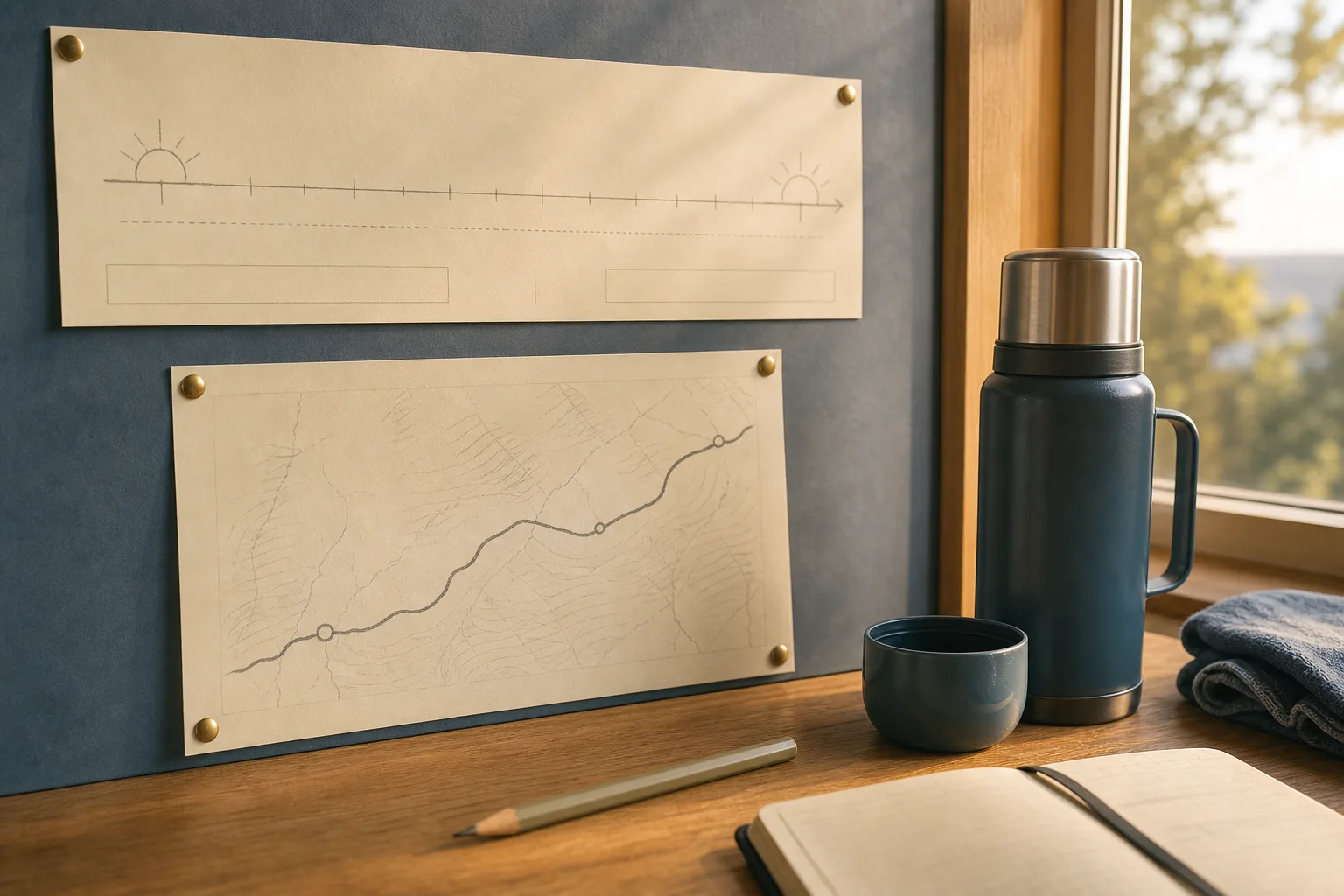
- Cut daylight into named segments that end at real pauses: rest, fuel, view, or lodging. Do not end a segment at “until we are tired.”
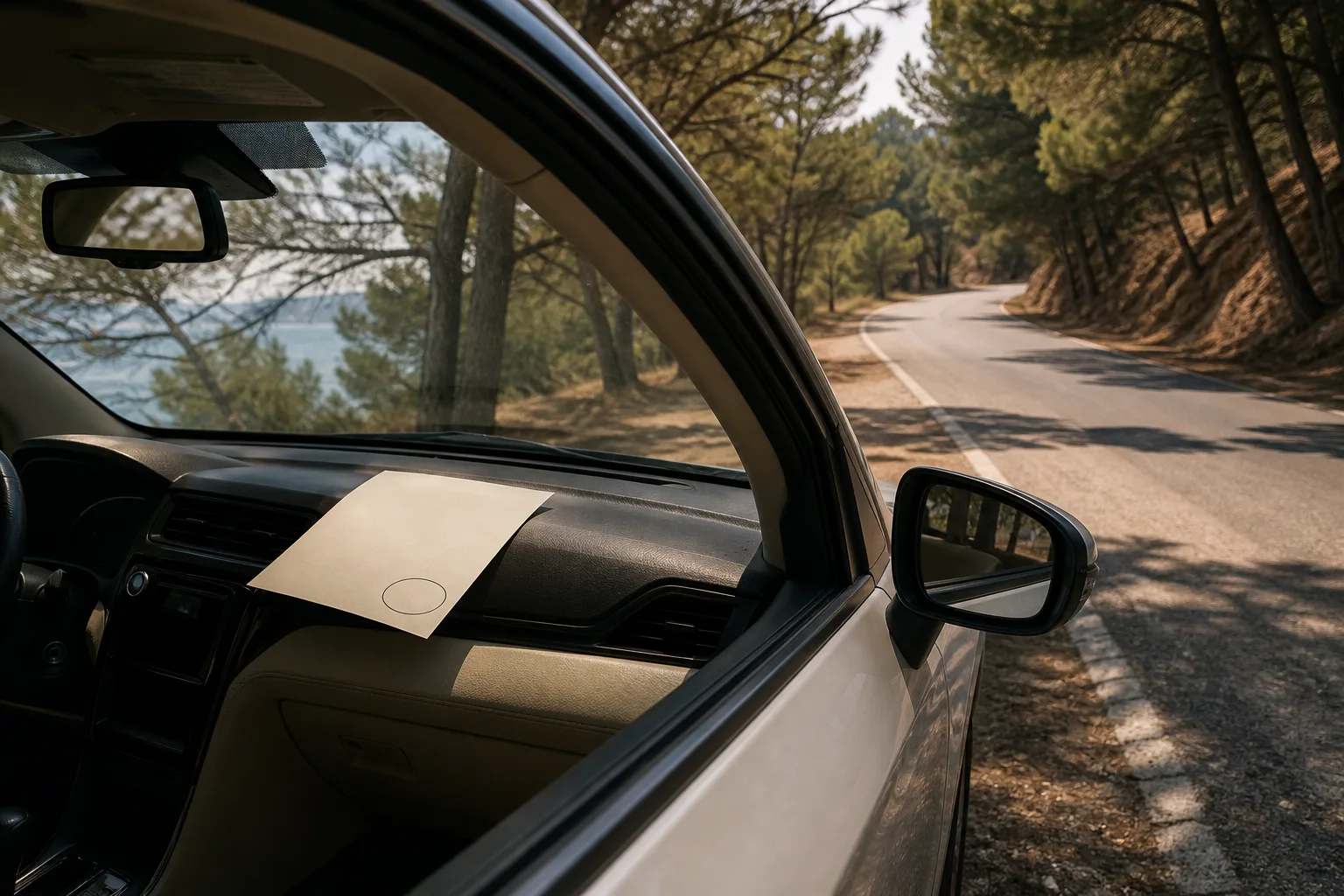
- Mark one hour near the end of the day as reserved. Write it on the paper plan where a passenger can see it.
- Decide in advance which stop you will drop first if the day slips: usually an optional overlook, not the rest reset before the final stretch.
- Recheck the buffer after every pause. If a stop cost more than planned, shorten the next segment instead of borrowing from the reserve.
- Treat weather and closed rails as reasons to rewrite, not as reasons to “make up time” on the last hour.
Where people usually spend it
The most common leak is the clear stretch after a good morning. The cabin feels settled. The map looks short. Someone suggests adding a view “since we are early.” That addition often costs the exact hour you needed when the next rest area was full. Another leak is stretching a fuel pause into an unplanned meal, then driving later to recover the schedule. Recovery driving is how quiet arrivals turn into dark lot searches.
A third leak is pride. Travelers who already know the road sometimes treat the buffer as advice for beginners. The buffer is not a skill ranking. It is a response to conditions that change between trips. Opening hours, lot layouts, and access rules can shift without notice. Confirm details close to the day you travel, and keep the reserve even on familiar pavement.
How to rewrite without panic
When the day slips, the useful move is not to drive harder. It is to rename the remaining jobs. Keep the rest that resets attention. Drop the overlook that only rewards a perfect schedule. Move lodging earlier if the last segment would land after the light is gone. A shorter day that ends cleanly is a successful highway day. A longer day that ends circling a full lot is not.
If you want a briefing that builds the buffer into your actual cabin and daylight window, write to chalcostib through the contact page. Bring the route you think you want and the stops that already failed once. We will answer with a sequence that keeps an hour you do not spend.